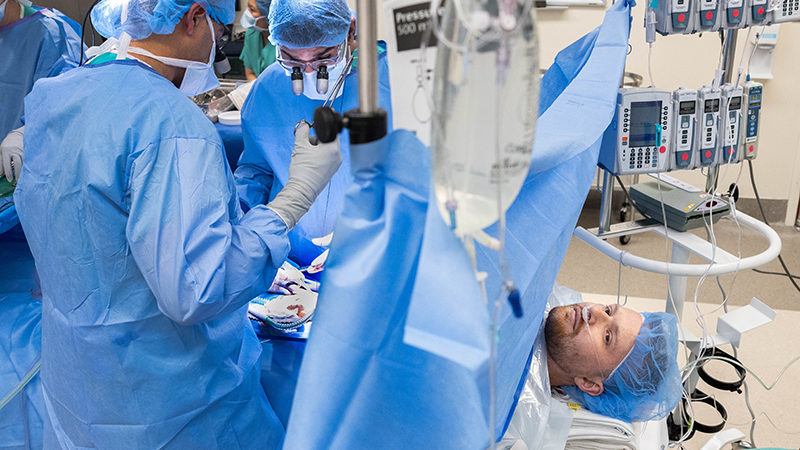
Understanding Kidney Transplant Surgery
For many patients living with kidney failure, the idea of undergoing a kidney transplant can feel overwhelming. Questions about surgery, recovery, medications, and long-term health often create understandable anxiety for both patients and their families.
At Artemis Experts Transplant Center, we believe that informed patients feel more confident and prepared throughout the transplant journey.
This guide explains what typically happens before, during, and after kidney transplant surgery so patients know what to expect at every stage.
Before Surgery — Preparation and Evaluation
Once a compatible donor has been identified, the transplant process enters its final preparation stage.
At Artemis Experts Transplant Center, transplant specialists carefully review both donor and recipient information to ensure the highest level of safety and compatibility.
Pre-operative preparation usually includes:
- Final blood compatibility testing
- Crossmatch testing to reduce rejection risk
- Comprehensive medical review
- Medication assessment
- Kidney imaging and laboratory tests
- Pre-operative counselling and education
- Surgical scheduling and planning
Patients and families are encouraged to discuss any questions or concerns openly with the transplant care team before surgery.
Living Donor Transplant Coordination
For living donor kidney transplants, both donor and recipient surgeries are coordinated simultaneously.
The donor kidney is removed and immediately transplanted into the recipient in adjacent operating theatres.
At Artemis Experts Transplant Center, this process is managed with precision by experienced transplant surgeons, anaesthesiologists, nephrologists, nurses, and transplant coordinators.
What Happens During Kidney Transplant Surgery?
Kidney transplant surgery typically takes between three and five hours depending on the complexity of the procedure and the patient’s condition.
During surgery, the new kidney is usually placed in the lower abdomen rather than replacing the patient’s original kidneys.
This location provides better access to important blood vessels and the bladder, allowing the transplanted kidney to function more effectively.
In most cases, the patient’s original kidneys remain in place unless there is a medical reason requiring removal.
The Moment the Kidney Begins Working
One of the most remarkable moments during transplant surgery occurs when the new kidney begins producing urine.
For many patients and transplant teams, this represents the beginning of a new chapter of life beyond kidney failure and dialysis.
Some transplanted kidneys begin functioning immediately, while others may require additional time before full function develops.
After Surgery — Hospital Recovery
After surgery, patients are moved to a recovery area where their condition is monitored closely.
Most patients remain in hospital for approximately five to seven days following kidney transplantation.
During this period, doctors carefully monitor:
- Kidney function
- Urine output
- Blood pressure
- Fluid balance
- Signs of infection or rejection
- Medication response
Blood tests and urine tests are performed regularly to ensure the transplanted kidney is functioning properly.
Pain Management and Early Movement
Pain after kidney transplant surgery is generally well controlled using modern pain management techniques.
Patients are usually encouraged to begin gentle movement and walking within 24 hours after surgery to improve circulation and support recovery.
Early movement also helps reduce the risk of blood clots and breathing complications.
Going Home After Transplant
Before discharge, patients receive a personalised recovery and medication plan from Artemis Experts Transplant Center’s transplant coordinators.
This care plan typically includes:
- Immunosuppressant medication schedule
- Dietary recommendations
- Activity and exercise guidelines
- Outpatient follow-up appointments
- Instructions for monitoring symptoms
- Emergency contact guidance
Patients and caregivers are educated carefully on medication management because missed doses can increase the risk of rejection.
The First Three Months After Transplant
The first three months after transplant surgery require close monitoring and strict adherence to medical instructions.
During this period, transplant recipients attend frequent follow-up appointments where doctors assess kidney function, adjust medications, and monitor for possible complications.
At Artemis Experts Transplant Center, our transplant team remains closely available throughout this important recovery phase.
Immunosuppressant Medications
Transplant recipients must take immunosuppressant medications to prevent the immune system from attacking the new kidney.
Common transplant medications may include tacrolimus, cyclosporine, mycophenolate, and corticosteroids.
These medications are essential for long-term transplant success and must be taken consistently as prescribed.
Signs That Require Immediate Medical Attention
Patients are advised to contact their transplant team immediately if they experience:
- Fever
- Reduced urine output
- Swelling
- Shortness of breath
- High blood pressure
- Pain near the transplant site
- Sudden fatigue or weakness
Early detection of complications often allows faster treatment and better outcomes.
Life Beyond Kidney Transplant
The majority of kidney transplant recipients at Artemis Experts Transplant Center return to active, productive, and fulfilling lives after recovery.
Many patients experience renewed energy, freedom from dialysis, improved appetite, and the ability to return to work, travel, and family activities.
For many individuals, transplantation provides the opportunity to plan a future without the constant burden of kidney failure.
Long-Term Follow-Up Care
Even after successful recovery, long-term follow-up care remains extremely important.
Patients continue attending regular appointments to monitor kidney health, medication levels, blood pressure, and overall wellbeing.
Healthy lifestyle habits, proper nutrition, exercise, and medication adherence all contribute to long-term transplant success.
Why Choose Artemis Experts Transplant Center?
Artemis Experts Transplant Center combines advanced surgical expertise, modern transplant technology, specialised nephrology care, and compassionate patient support.
From initial consultation through years of post-transplant follow-up, our multidisciplinary transplant team supports patients at every stage of the journey.
You Deserve Expert Care at Every Stage
If you or a loved one is preparing for kidney transplant surgery, Artemis Experts Transplant Center is ready to provide expert evaluation, advanced surgical care, and long-term transplant support.
Our specialists are committed to helping patients move confidently from kidney failure toward healthier and more independent living.
Book Your Appointment at Artemis Experts Transplant Center
Frequently Asked Questions
How long does kidney transplant surgery take?
Kidney transplant surgery usually takes between three and five hours depending on the patient’s condition and transplant complexity.
Are the original kidneys removed during transplant surgery?
In most cases, the patient’s original kidneys remain in place unless removal is medically necessary.
How long is hospital stay after kidney transplant?
Most patients remain in hospital for approximately five to seven days after surgery.
What medications are needed after transplant?
Patients take immunosuppressant medications to prevent rejection of the transplanted kidney.
Can transplant patients return to normal life?
Yes. Many kidney transplant recipients return to active and healthy lives after recovery and proper long-term care.